


How AHA Designs Education for Real Careers
At AHA, Work‑Based Learning (WBL) is more than an add‑on, it is how we design education.
The AHA Work‑Based Learning Framework is our institution‑wide model that ensures every undergraduate student experiences a coherent, progressive, and transformational learning journey — from student → practitioner → early professional.
Rooted in academic research, international best practice, and AHA’s long-standing culture of experiential education, this framework integrates three interconnected pillars:
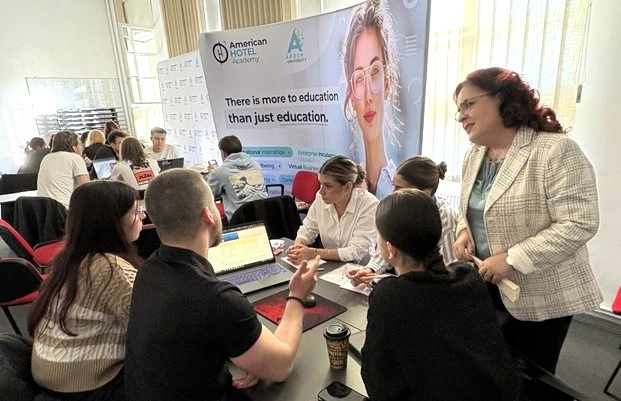
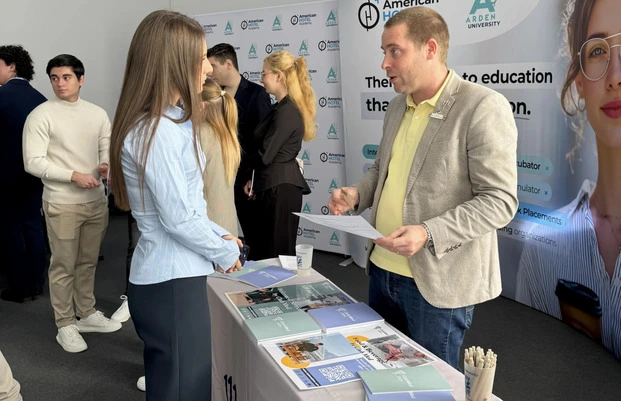

Together, they create one of the most comprehensive, intentional, and structured WBL ecosystems in higher education.
Why Is Work‑Based Learning Important?
Labour markets are changing fast. Employers hire for competence, adaptability, self‑management, and professional confidence, not just knowledge. Students expect education to lead somewhere real.
Our internal research and international studies show:
This is why AHA developed a cohesive system that brings all work-based learning experiences together, under one framework.
The AHA Three‑Pillar Framework
1. Experiential Learning (EL) – Learning through action, practice, and reflection
Experiential Learning gives students the practical foundation they need before they enter real workplaces.
It builds confidence, reduces anxiety, and creates safe spaces to develop essential professional behaviours.
EL at AHA includes:
These activities are mandatory, intentional, mapped in the curriculum, and always include a reflection component — a core requirement in our framework.
2. Career Development (CD) – The psychological enabler of Work‑Based Learning
Career Development is the pillar that prepares students internally — building mindset, clarity, and emotional readiness required for high‑impact WBL experiences.
Research shows clearly: students who lack self‑efficacy, clarity, or coping strategies benefit far less from the same internship.
CD at AHA is therefore deeply structured:
Year 1 – Readiness & Self‑Discovery
Year 2 – Exploration & Exposure
Year 3 – Transition to Employment
Additionally, all students across all years benefit from:
This pillar enables students to get the maximum learning value from their WBL experiences.
3. Industry Placements (IP) – Learning in real workplaces, with structure and supervision
This is where students apply their knowledge, develop professional identity, and transition into their future careers.
IP at AHA includes:
Every IP experience is governed by core standards:
AHA’s Work‑Based Learning Promise
Every AHA student graduates with:
This is why employers consistently say that AHA graduates are workplace-ready and future-ready.
Work‑Based Learning is not simply a collection of activities — it is a deliberately designed system that transforms students into confident, capable, career‑ready professionals.